
Skip to Main Content

Your Guide to Choosing a Diamond

Choosing a diamond starts with what catches your eye—and what matters to you. A particular shape. Exceptional sparkle. A size that feels just right.

At A.R. Morris Jewelers, we help you bring those preferences together with a budget you feel comfortable with. A few basics can help you get started, and we’re here to guide you through the rest.

Start with the look you love

Start with the look you love

Perhaps you’ve always pictured a round diamond, or you’re drawn to the elongated look of an oval or the clean lines of an emerald cut. Comparing shapes is a good place to begin.

Consider how the diamond looks on your hand, how it complements the setting, and what you find yourself coming back to. Your preferences give the search direction.

The 4Cs

A few details can help you find a diamond you love. Here's what to look for—and how each characteristic shapes its beauty.

Learn More With Our FAQs
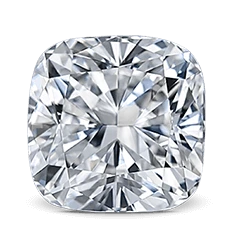
Diamond Cut

CUT

All about sparkle

Well-crafted proportions help it reflect light beautifully, creating the brightness and flashes that catch your eye.

Watch it as it moves.
The sparkle should speak for itself.
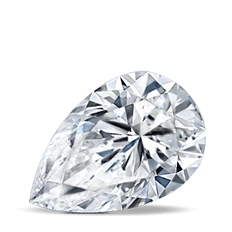
Diamond Color

COLOR

Fine your tone

White diamonds range from icy and colorless to softly warm. The differences can be subtle, and your setting can influence how they look.

Compare a few side by side. You may be surprised by what you love, and what you barely notice.
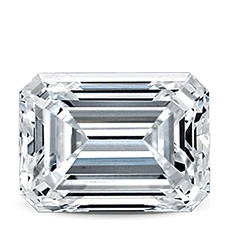
Diamond Clarity

CLARITY

Beauty in the details

Most diamonds have tiny natural characteristics many invisible only under magnification. A flawless grade isn’t essential to a beautiful diamond.

Focus on how the diamond looks to your eye, with guidance on any details worth considering.
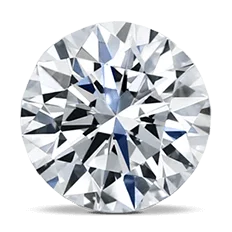
Diamond Carat

CARAT

Se the whole picture

Carat measures weight, but it doesn’t tell the whole story of size. Shape and proportions influence how large a diamond looks on your hand.

Choose the presence you love, whether that feels delicate, bold, or somewhere in between.
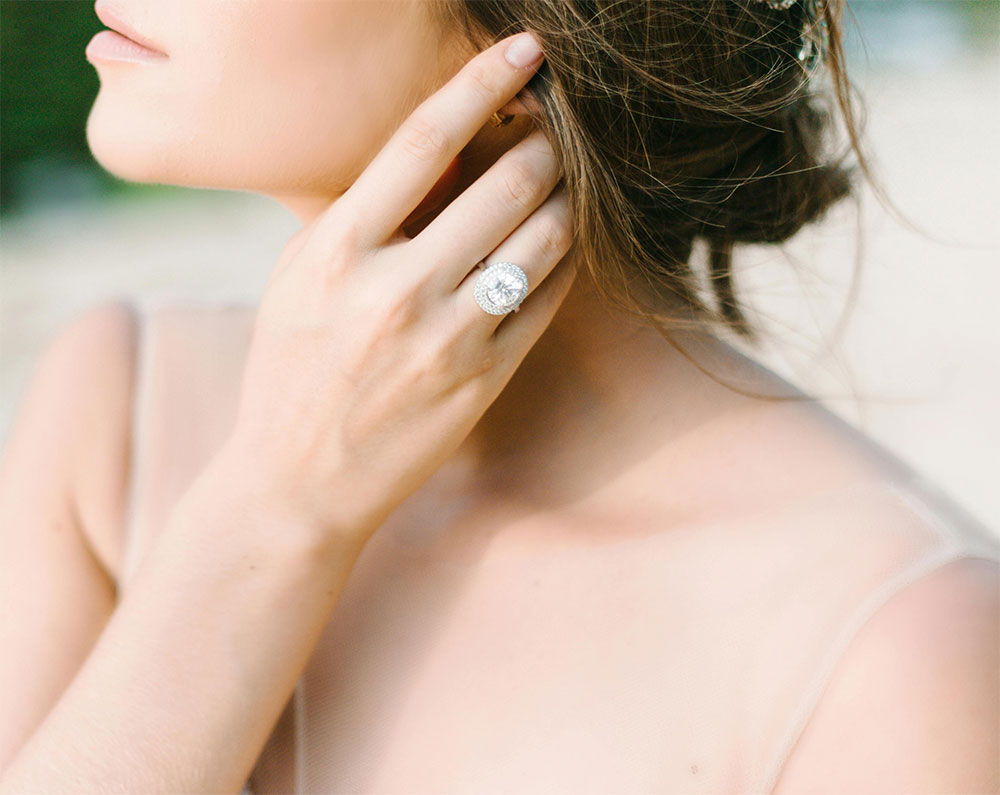
Start with the look you love

Make your budget work for what you value

Start with an amount that feels right for you. Then consider your priorities: more sparkle, a particular shape, a larger appearance, or a specific setting.

Understanding those preferences helps you make thoughtful comparisons. You may find that a difference on a grading report matters less to you than the way a diamond looks in person.

LET’S FIND YOUR DIAMOND

See the beauty in every shape

Compare cuts, proportions, and brilliance in person. Our team will help you explore the possibilities and find a diamond you love.

PLAN YOUR VISIT
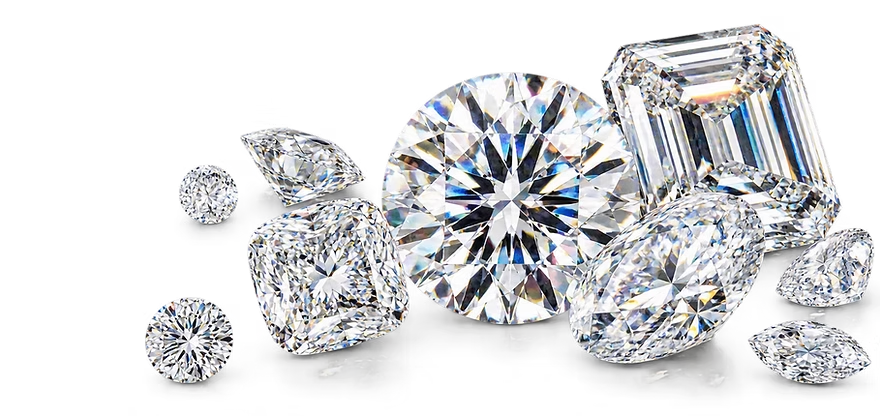
Collection of diamonds

DIAMOND QUESTIONS, ANSWERED

A little understanding can make choosing your diamond feel easier. Here are answers to some questions you may have along the way.

Shape is a diamond's outline-round, oval, pear, or emerald, for example. Cut refers to how its facets, proportions, and craftsmanship affect the way it interacts with light. Shape helps define the style; cut helps bring out the sparkle.
All four help describe a diamond, but cut is a good place to start if sparkle is your priority. From there, balance color, clarity, and carat weight around your preferences and budget. The right combination depends on what you notice and value when comparing diamonds.
For diamonds in the standard D–Z color range, D represents the least color. D–F diamonds are considered colorless, while G–J diamonds are near-colorless. As you move down the scale, yellow or brown tones become more noticeable.
Small differences can be difficult to see, especially once a diamond is set. Fancy-colored diamonds, such as pink and blue diamonds, are evaluated differently.
No. Clarity grades describe internal characteristics, called inclusions, and surface characteristics, called blemishes. Many aren't visible without magnification.
You may hear the term "eye-clean," meaning no inclusions are visible to the unaided eye under the viewing conditions used. It isn't an official clarity grade, so ask your jeweler to show you what’s visible and explain whether any characteristics could affect durability.
Not necessarily. Carat measures weight, rather than visible size. A diamond’s shape and proportions determine how that weight is distributed, so two diamonds of equal carat weight can look different in size.
Compare their measurements and how they look on your hand alongside their carat weights.
Carat weight is only one part of the picture. Cut quality, color, clarity, and whether a diamond is natural or laboratory-grown can all affect its price. Two equally heavy diamonds may have very different characteristics.
Comparing them side by side with their grading reports helps you understand what you’re paying for.
A grading report is an assessment from a gemological laboratory documenting a diamond’s characteristics. Depending on the report, it may include its measurements, carat weight, color, clarity, and details about proportions and finish.
A grading report is different from an appraisal: it describes the diamond rather than assigning a monetary value.
Natural diamonds form within the earth. Lab-grown diamonds are created using technology that reproduces conditions for diamond growth. They have essentially the same chemical composition and crystal structure, but different origins.
Lab-grown diamonds are diamonds, unlike simulants such as cubic zirconia or moissanite. Their pricing differs from natural diamonds, so origin should be clearly disclosed when you compare options.
Start with a budget you feel comfortable with and the features that matter most to you. If you love sparkle, pay close attention to cut. If you want a larger appearance, compare shapes and measurements.
You may find that subtle differences in color or clarity are less noticeable to you. Comparing actual diamonds helps you decide which details are worth prioritizing.
Saved Items (0)
  • Use this space to save the products you like. To add a product here, simply click the icon.

A.R. Morris Jewelers Close

We value your privacy

On our website, we use services (including from third-party providers) that help us to improve our online presence. The following categories of cookies are used by us and can be managed in the cookie settings. We need your consent before being able to use these services. Alternatively, you may click to refuse to consent, or access more detailed information and change your preferences before consenting. Your preferences will apply to this website only. You can change your preferences at any time by clearing your browser history/cache or visiting our privacy policy page.

By authorizing third-party services, you allow the placement and the reading of cookies and the use of tracking technologies required to keep our website reliable and secure.

These cookies are required to run available services and to provide basic shopping functions. These cookies are exempt from consent according to the exceptions provided by the Article 82 of Data Protection Act.
These cookies provide a custom experience on our website.
These cookies allow us to measure visitors' traffic. They help allow us to understand which products and actions are more popular than others.
Google Analytics
Adobe Analytics and Content Square
These cookies help tailor marketing messages and display relevant advertisements to you across other websites.